From Prototype to Project Report: How Fab Labs Can Teach Evidence-Based Making
A Fab Lab combines digital fabrication equipment, practical skills, materials, and shared learning in one environment. The FabLabs network describes these spaces as places to “play, to create, to mentor and to invent,” a description that captures an important educational challenge: making an object is only part of learning how to design it. Students also need to explain their decisions, document failures, and show why the final result works.
Why Documentation Belongs in the Workshop
A prototype records a physical result, but it does not automatically explain the process that produced it. Consider a student designing a laser-cut phone stand: the first version may collapse under the phone’s weight, while a second version works after the base is widened and the slot angle is adjusted. Without notes, the improvement looks like trial and error; with measurements and observations, it becomes a repeatable design decision.
A useful workshop record can be kept in a simple table with four columns: version, change, observed result, and next step. Students might test three base widths—60, 70, and 80 millimeters—and record whether each prototype remains stable on the same surface. The measurements should reflect actual tests rather than estimates made after the project is finished. This practice also helps classmates reproduce the experiment and identify variables that may have affected the outcome.
Turn Design Decisions into Research Questions
The next step is to convert a practical problem into a question that can be tested. Instead of asking, “How can I make a better phone stand?”, a student could ask, “How does base width affect the stability of a laser-cut stand made from 3-millimeter plywood?” The narrower question identifies one variable and makes it easier to compare results while keeping material, phone weight, and testing conditions consistent.
Students should then distinguish between evidence and interpretation. If the 70-millimeter base performs best in three trials, that is an observation from a small test, not proof that 70 millimeters is ideal for every design. A more reliable report explains the sample size, test conditions, measurement method, and limitations. For longer academic assignments, a structured outline can help organize the research question, method, results, and discussion; resources such as MBAEssayWritingServices may provide a reference for thinking about academic structure, while technical conclusions should come from the student's own documented evidence.
Make Failed Prototypes Useful
A failed design can provide valuable information if the team records why it failed. Suppose a press-fit joint is too loose: the cause might be the slot dimensions, material thickness, or variation in the cutting process. Changing several variables at once makes it difficult to identify the cause, so a better approach is to modify one parameter, produce another sample, and compare the result.
This process can be integrated into group work without creating excessive paperwork. Each team member can record one test, attach a photograph or sketch, and note the decision that followed. At the end of a session, the group can review which assumptions were supported and which still need testing. Keeping these records also makes it easier to explain design choices to mentors or users who were not present during fabrication.
Build a Report That Others Can Reuse
A clear project report should allow another person to understand the design and repeat its essential tests. Include the equipment used, material specifications, important dimensions, software settings where relevant, and any safety precautions that affected the process. A photograph of the finished object is useful, but a dimensioned drawing and a brief test record often provide more practical information.
Fab Labs can therefore support both hands-on making and disciplined technical writing. Their shared environment gives students opportunities to test ideas, receive feedback, and learn from other people's approaches, while written records preserve the reasoning behind each revision. When the prototype and its documentation develop together, the final project becomes more than an object: it becomes a process that others can evaluate, reproduce, and improve.
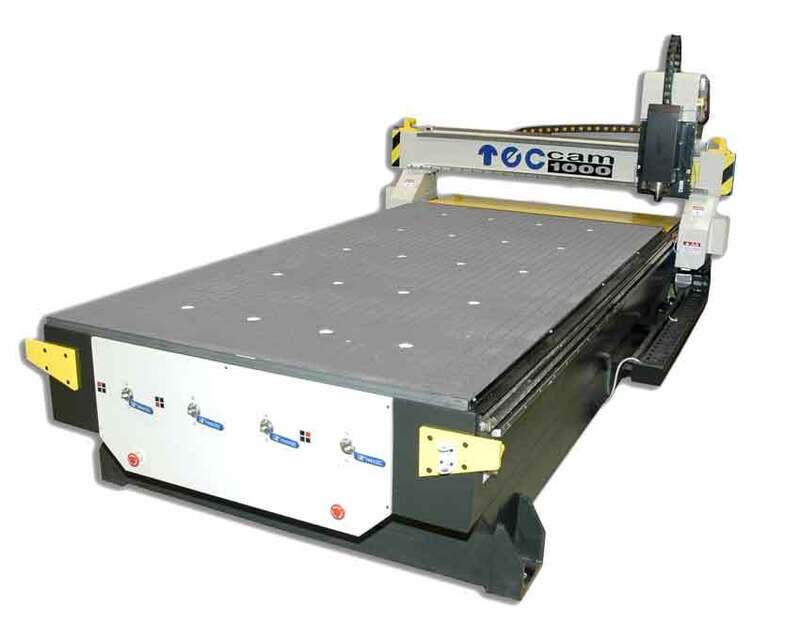
- From Prototype to Project Report: How Fab Labs Can Teach Evidence-Based Making


